"I work with founders to turn ideas into high-performing, investable ventures while preventing costly mistakes"
"I work with founders to turn ideas into high-performing, investable ventures while preventing costly mistakes"
"I work with founders to turn ideas into high-performing, investable ventures while preventing costly mistakes"
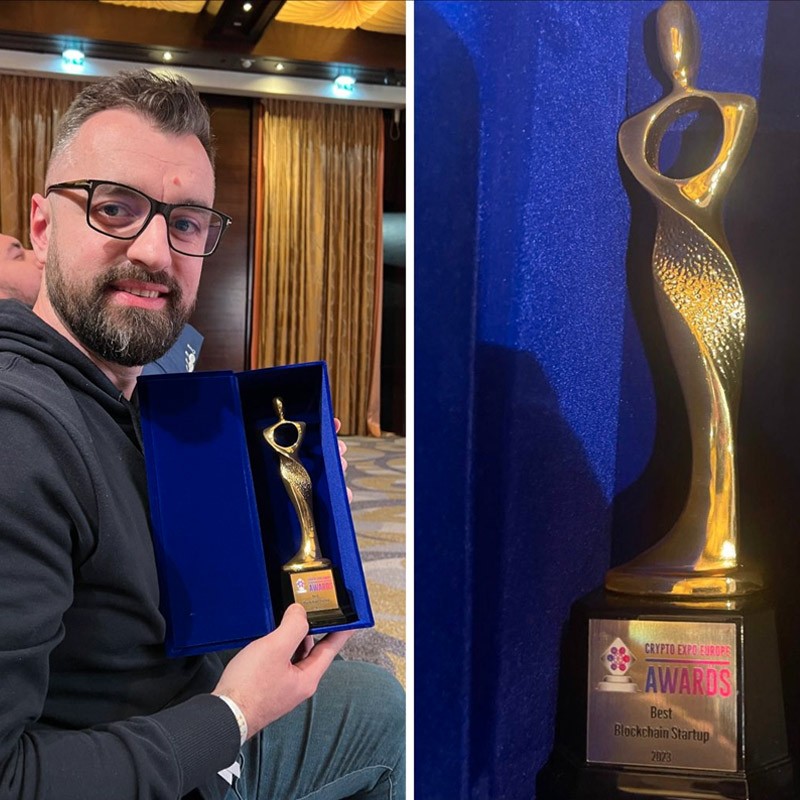
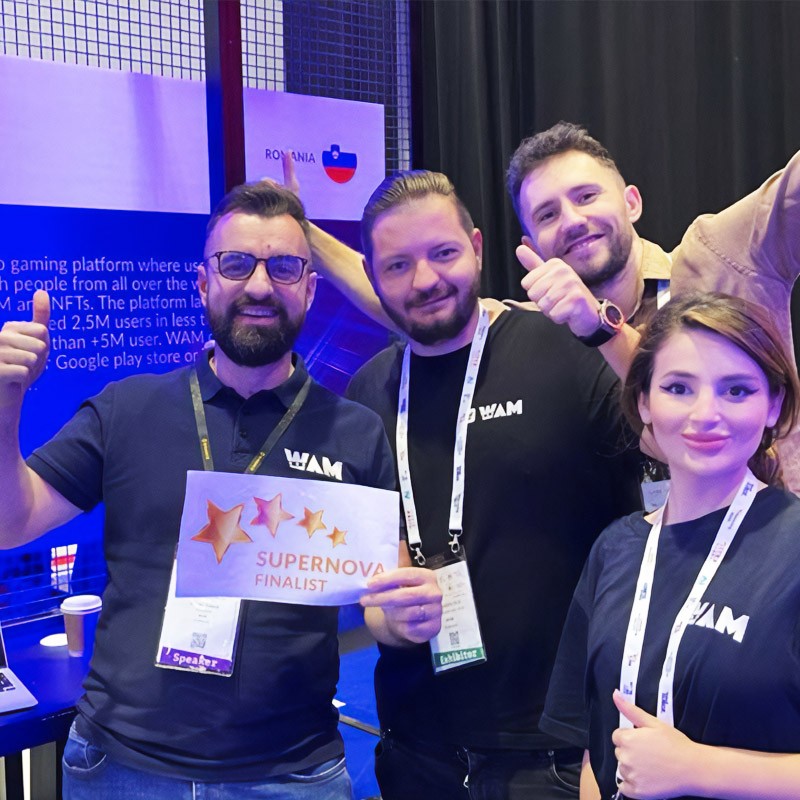
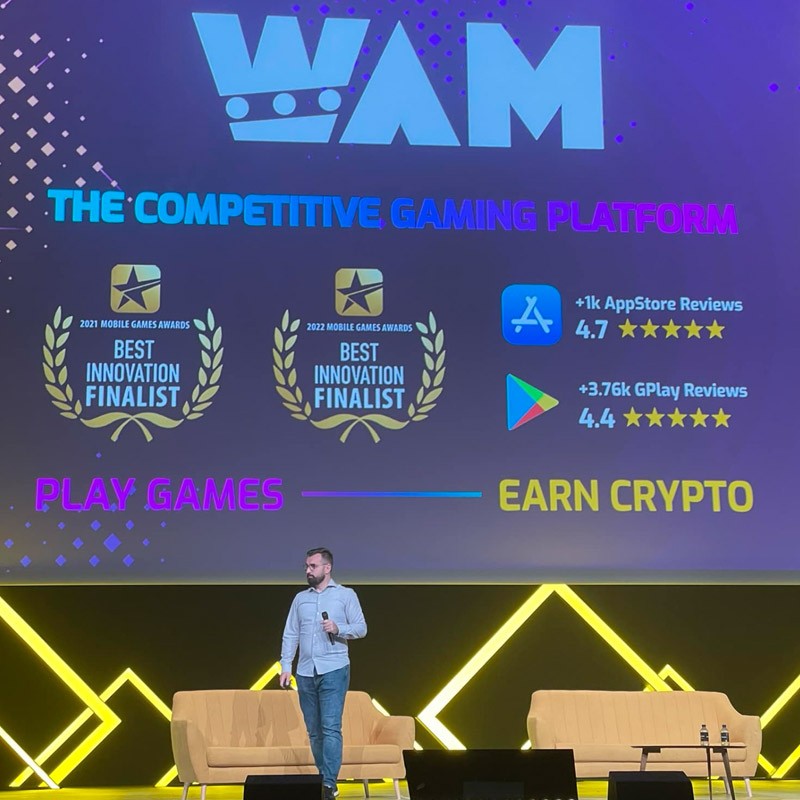
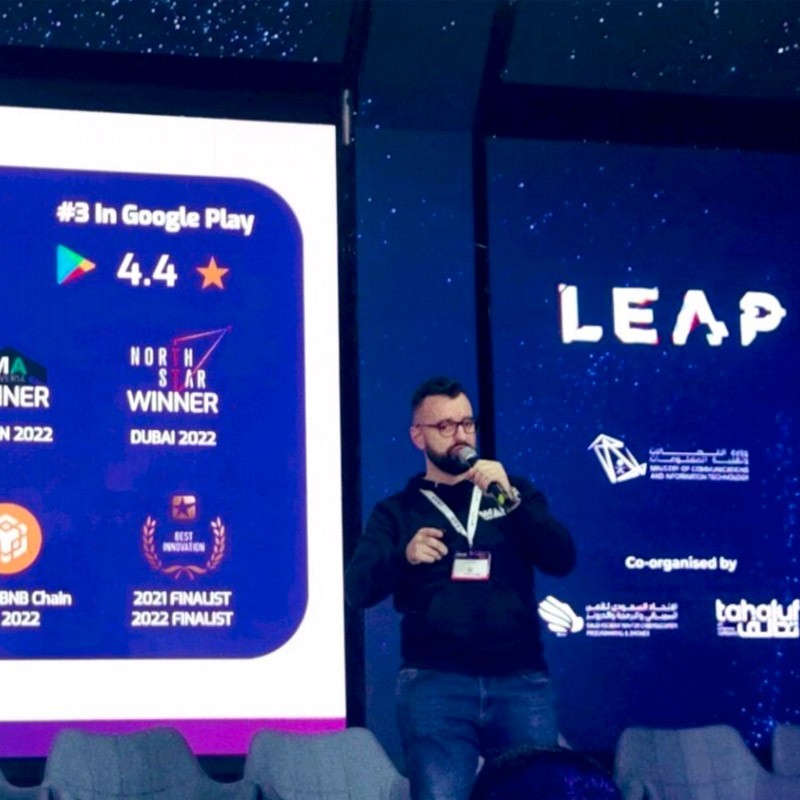
Systems Entrepreneur. Economic Designer. Founder.
I don’t build apps. I design systems.
Most people build features. I build structures that align incentives, move capital, and compound over time. Markets are games. Products are tools inside those games. The real leverage sits in the rules.
That’s where I operate.
I started working early — selling, fixing, wiring, figuring things out. Not because it was romantic. Because it was necessary.
What that gave me wasn’t hustle.
It gave me pattern recognition.
I learned fast that effort doesn’t scale. Leverage does.
Technology became my instrument because it allows structure at scale. Code is just a language. The real objective is alignment — users, incentives, distribution, capital, timing.
That shift — from execution to leverage — defines everything I build.
What I Actually Do
- Entrepreneurship
- Blockchain infrastructure
- Token economics
- Incentive engineering
- Gaming systems
- Multi-chain architecture
- Market design
Founder Experience and Strategic Depth
- Built and scaled technology companies
- Led cross-functional teams
- Designed token-based economic systems
- Shipped multi-chain blockchain infrastructure
- Navigated regulatory and operational complexity
- Rebuilt from failure with stronger models
It sharpens strategy. It refines positioning. It removes illusion.
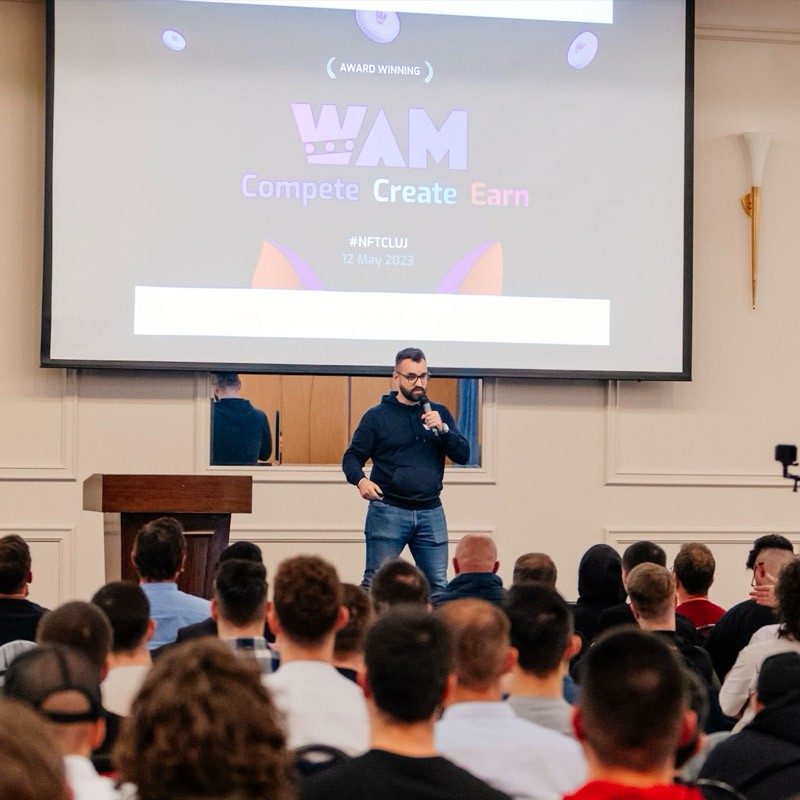
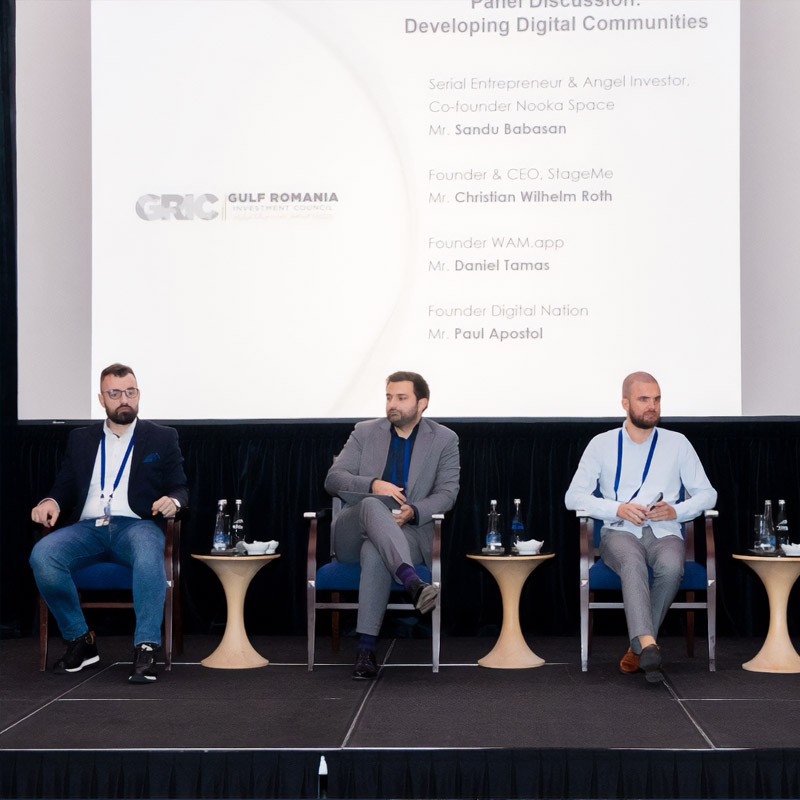
WAM: A Case Study in Economic System Design
How I Think About Markets
I do not see businesses as apps. I see them as ecosystems.
Incentives shape behavior
Distribution determines survival
Capital follows leverage
Structure outlasts hype
If you are building a feature, hire a developer.
If you are redesigning a market, architecting leverage, or building infrastructure that must survive volatility — that is where I am useful.
Who I Work With
I work with founders who:
Think in decades, not quarters
Understand incentive design
Care about structural advantage
Build infrastructure, not noise
I do not take many advisory roles.
I am not interested in motivational conversations.
But if you are building something that requires systems thinking, economic clarity, and strategic depth — we will likely have a productive discussion.
Closing Thought
Everything is a game. Very few people build the board.
I started working early — selling, fixing, wiring, figuring things out. Not because it was romantic. Because it was necessary.
What that gave me wasn’t hustle.
It gave me pattern recognition.
I learned fast that effort doesn’t scale. Leverage does.
Technology became my instrument because it allows structure at scale. Code is just a language. The real objective is alignment — users, incentives, distribution, capital, timing.
That shift — from execution to leverage — defines everything I build.
What I Actually Do
- Entrepreneurship
- Blockchain infrastructure
- Token economics
- Incentive engineering
- Gaming systems
- Multi-chain architecture
- Market design
Founder Experience and Strategic Depth
- Built and scaled technology companies
- Led cross-functional teams
- Designed token-based economic systems
- Shipped multi-chain blockchain infrastructure
- Navigated regulatory and operational complexity
- Rebuilt from failure with stronger models
It sharpens strategy. It refines positioning. It removes illusion.
WAM: A Case Study in Economic System Design
How I Think About Markets
I do not see businesses as apps. I see them as ecosystems.
Incentives shape behavior
Distribution determines survival
Capital follows leverage
Structure outlasts hype
If you are building a feature, hire a developer.
If you are redesigning a market, architecting leverage, or building infrastructure that must survive volatility — that is where I am useful.
Who I Work With
I work with founders who:
Think in decades, not quarters
Understand incentive design
Care about structural advantage
Build infrastructure, not noise
I do not take many advisory roles.
I am not interested in motivational conversations.
But if you are building something that requires systems thinking, economic clarity, and strategic depth — we will likely have a productive discussion.
Closing Thought
Everything is a game. Very few people build the board.
FAQs
FAQs
Answers to common questions to help you understand the process and how we can work together
Answers to common questions to help you understand the process and how we can work together
Answers to common questions to help you understand the process and how we can work together
I'm here to help you
What kind of founders do you typically work with?
I work with ambitious, no-BS founders building real products — not hype. Most are pre-seed to Series A, with a working MVP or traction, and clarity on where they want to go next. If you’re coachable, decisive, and not afraid of uncomfortable truths, we’ll probably get along.
What outcomes can I realistically expect from working with you?
How do I know if this is the right time to bring you in?
What’s included in a typical engagement?
How do you approach tokenomics and business model alignment?
Do you help with fundraising or investor positioning?
What if we already have a team or a strategy in place?
Do you ever take equity or tokens instead of full payment?
How many clients do you work with at a time?
What’s your typical decision window after our initial call?
I'm here to help you
What kind of founders do you typically work with?
I work with ambitious, no-BS founders building real products — not hype. Most are pre-seed to Series A, with a working MVP or traction, and clarity on where they want to go next. If you’re coachable, decisive, and not afraid of uncomfortable truths, we’ll probably get along.
What outcomes can I realistically expect from working with you?
How do I know if this is the right time to bring you in?
What’s included in a typical engagement?
How do you approach tokenomics and business model alignment?
Do you help with fundraising or investor positioning?
What if we already have a team or a strategy in place?
Do you ever take equity or tokens instead of full payment?
How many clients do you work with at a time?
What’s your typical decision window after our initial call?